
Memoir is the genre most likely to break the rules everyone gives you. The traditional advice — "you can't sell a memoir without a platform" — was true when retail bookstores controlled discovery. In 2026, indie memoirs about cancer recovery, escape from cults, single motherhood, addiction, immigration, and quiet ordinary lives outsell most celebrity ghostwritten ones. The variable isn't platform. It's positioning, theme, and where you put the story in front of readers who are already looking for it.
This is the working memoir marketing playbook — what to do when you don't have a million Instagram followers, how to build the press layer that gives a memoir reach, and where editorial features fit a budget that isn't $50K.
The First Reframe: Theme Is the Product, Not You
The biggest mistake new memoirists make: they market the memoir as their personal story. "I survived X and want to share my journey." That's the book. It's not the marketing pitch.
Memoir readers don't buy memoirs because they want to read about a stranger's life. They buy memoirs because they're navigating something themselves — grief, identity, addiction recovery, divorce, illness, faith, parenting — and want a companion voice that's been through it. The memoir is the theme delivered through a personal story. Your marketing has to lead with the theme.
Two ways to test the same book:
Bad pitch: "A memoir about my recovery from a stroke at age 34." Working pitch: "What young women aren't told about strokes — and how I rebuilt my brain after one took half of mine."
The first is autobiography. The second is a theme readers are searching for. Same book, completely different acquisition path. The discipline of memoir marketing is staying inside the theme everywhere — blurb, ads, podcast pitches, magazine features.
If you can't articulate the theme in 8 words, you're not ready to launch yet.
The Cover and Title Signal
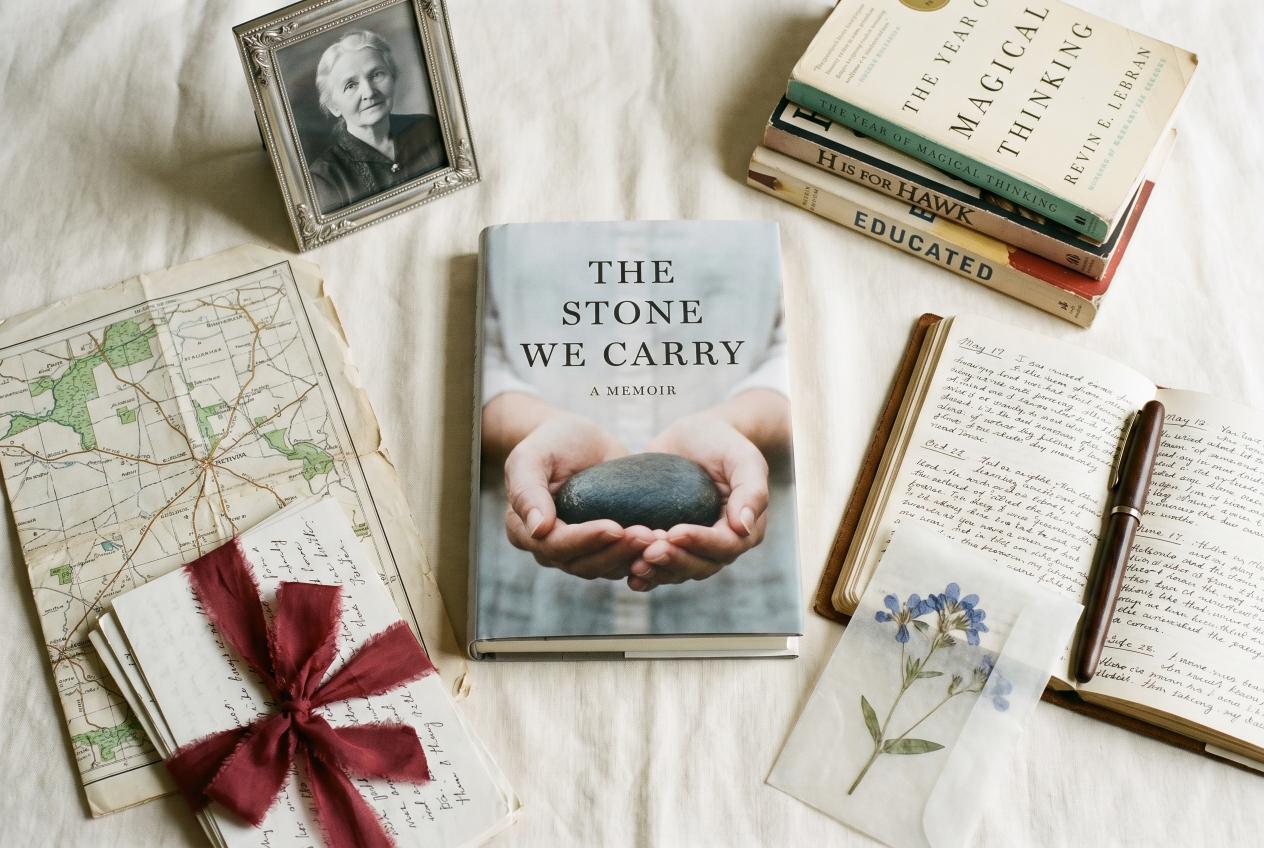
Memoir covers in 2026 cluster around a few signals:
- Photographic and intimate — usually a single object, hand, body part, or landscape that connects to the theme. Not a face. Not a stock photo of an open book.
- Title that names the theme directly or with a short literary metaphor — "The Long Walk Home," "When the Body Says No," "A Door That Almost Held," "Hunger." Short and weighty.
- Subtitle that does the heavy lifting — "A memoir of [specific situation]" — this is where memoir titles convert. Readers find your book by searching the subtitle.
- Author name in clean serif, smaller than the title, often at the bottom
- Color palette tends toward muted earth tones — sage, dusty blue, ochre, cream, with one strong accent (deep red, gold, ink black)
The lazy mistake: a stock photo of a sunset and a title in script font. Memoir readers read this as self-help or vanity press and pass. Spend $500–$1,200 on a designer with literary nonfiction credits. Reedsy and a handful of literary-minded freelancers have memoir-specific portfolios.
The subtitle work is more important in memoir than in any other genre. A great subtitle puts your book directly into the search results of readers who don't know your name but are searching for the experience. "A Memoir of Late-Diagnosis Autism." "A Memoir of Caring for a Parent with Dementia." "A Memoir of Leaving the Mormon Church." The specificity is the marketing.
Pre-Launch — 90 Days of Theme-First Outreach
Memoir benefits from a longer pre-launch runway than fiction because the press circuit is the spine and the lead times are real.
Day -90 to -60:
- Finalize cover, title, subtitle, theme statement
- Pitch 30–60 podcasts in your theme's orbit, not memoir-genre podcasts. If your memoir is about caregiving, pitch caregiving podcasts. If it's about recovery, pitch recovery podcasts. The audience overlap is what matters.
- Build a NetGalley listing to collect reviews from book bloggers and theme-relevant journalists
- ARC team of 50–100 readers, ideally including 10–20 people who've lived your theme — their early reviews carry weight
Day -60 to -30:
- Pre-order live on Amazon (memoir benefits from longer pre-orders than fiction — 60+ days is fine)
- First podcast recordings happen
- Newsletter swaps with 3–5 authors in adjacent themes (caregiver memoir + grief nonfiction, addiction memoir + recovery essays)
- Outreach to journalists who cover your theme — see HARO and Connectively for authors for the free-press mechanics
Day -30 to 0:
- Pulse pre-order ads on Amazon at $20–$40/day on theme-relevant keywords (not author keywords like fiction)
- Final ARC reminders
- Newsletter "the wait is almost over" send
- Schedule podcast episodes to release in launch month
The 90-day runway feels long, but theme-relevant outlets often book their content calendar 8 weeks ahead. Memoir authors who run a 30-day launch routinely arrive at release week with no podcast episodes airing and one Goodreads rating.
Launch Week
A realistic launch-week target for a polished debut indie memoir with the pre-launch above is 300–800 paid copies plus 100–400 KU borrows in the first seven days. Memoir launches differently from fiction — the curve is flatter, more sustained, and word-of-mouth-driven. A "successful" launch is often a 6-month build, not a 14-day spike.
Day 1–3:
- Newsletter "the book is here" send (memoir lists tend to have unusually high open rates, 40–55%)
- 3–5 podcast episodes go live (recorded weeks earlier)
- Bookstagram and theme-community posts on launch day
- Amazon Ads at $30–$60/day on theme keywords (not just author comps)
Day 4–7:
- Bargain Booksy / Robin Reads memoir feature ($40–$120)
- Goodreads giveaway live (10 ebook copies, 14-day run)
- First magazine feature airs if scheduled (this is the ideal launch-week press shape)
- Engage every Goodreads review thoughtfully — memoir readers leave longer, more emotional reviews and they reward author engagement
Day 8–14:
- Pulse Amazon Ads up to $80/day if ACOS is healthy and rank is climbing
- Submit to memoir-relevant book clubs (Bookstagram clubs, Reese's Book Club via the published submission process, Roxane Gay's reading list submissions)
- Newsletter "thank you" send to your list — invite a review
The memoir launch is more marathon than sprint. Authors who panic at flat day-3 numbers and dump ad budget tend to overspend; authors who hold steady and let theme-relevant press accumulate over 90 days often build to better long-term sales than viral fiction launches.
Where Memoir Readers Discover Books
Memoir readers behave differently from fiction readers. They overlap heavily with literary fiction, narrative nonfiction, and journalism audiences. Their discovery channels:
- Podcasts in the memoir's theme — single most important channel. A 60-minute interview on a caregiving podcast does more for a caregiving memoir than 100 BookTok videos.
- Editorial features in lifestyle and theme-adjacent magazines — TIME, Miami Herald, Star, OK!, Hollywood Life, plus theme-specific publications (recovery magazines, parenting outlets, religion-and-faith outlets)
- Newsletter recommendations — Anne Bogel's What Should I Read Next, the Substack memoir community, Jenna's Book Club picks
- Goodreads Memoir of the Month and listopia lists
- Bookstagram literary accounts — the memoir corner of bookstagram is small but unusually high-conversion
- Library reads and book clubs — memoir read-through in libraries is real revenue if you're set up for it via IngramSpark
- NPR-style radio interviews — local public radio is more accessible than authors think and converts memoir readers strongly
What's not in the top tier and shouldn't be your main channel: TikTok-only strategy, paid Instagram, generic Reddit, Twitter. They can supplement but they don't carry memoir.
The Editorial Press Layer — Memoir's Highest-Leverage Channel
Memoir is the genre where editorial press matters most. Unlike fiction, where a magazine feature is one channel among many, memoir often gets discovered first through a feature article and then bought.
The press hooks that work:
- "The author who survived [specific theme] and wrote about it" — straightforward but works when the theme is timely
- "What [unexpected community — Mormon women, ICU nurses, foster moms] aren't allowed to talk about" — opens the article into a wider story
- "Why [theme] memoirs are quietly outselling celebrity bios in 2026"
- "The book [theme community] is passing around in private" — scarcity and tribe signal
Tier-1 press for memoir compounds. A single TIME or Rolling Stone-level feature can put a memoir into a different commercial bracket — readers find the article, click through to Amazon, and the book climbs the algorithm because real-buyer signal is the strongest signal Amazon's recommender weights. See how to get into TIME magazine for what tier-1 placement actually requires (and what alternatives exist if pitching for free isn't working).
The honest hierarchy for memoir press:
- Free pitches via HARO/Connectively/Qwoted — credibility-quote level
- Earned magazine features pitched cold — possible but slow; lead time 3–6 months
- Boutique publicist retainer ($2,000–$5,000/month) — pitches but doesn't guarantee outcomes
- Guaranteed editorial placement — pay for specific named outlets contractually, see book PR cost in 2026
Memoir authors with budgets under $5K usually combine free pitching with one or two guaranteed editorial placements. The combination outperforms either alone — the free quotes give credibility logos for the author's website, the guaranteed placements give the long-form discovery articles.
The Audiobook Question

Memoir is the genre where audiobook ROI is highest, and the genre where author-narrated audiobooks specifically work — readers want the author's voice telling the story. Production cost for a self-narrated audiobook runs $1,500–$4,000 (studio rental, engineer, audiobook-quality file delivery). For an audiobook narrated by a professional, $3,000–$6,000 typical.
Memoir audiobooks frequently outsell the print and ebook combined for the same title. If you have any meaningful audio quality in your speaking voice and the subject matter fits (recovery, faith, immigration, illness all do well author-narrated), produce the audiobook. Distribute through ACX (Amazon's Audible), Findaway Voices (now part of Spotify Audiobooks), and direct sale via Authors Direct or Libro.fm if you go wide.
Skipping audiobook for memoir leaves real money on the table. It's not optional in 2026 the way it was in 2018.
Series, Frequency, and the Memoir Long Game
Memoir is not a series business. Most memoir authors write one to three memoirs over a career, plus essay collections and adjacent narrative nonfiction. The launch and post-launch logic is different from fiction:
- Year 1 is a sales build, not a peak. Expect 60–80% of total sales to happen in months 4–24, not month one.
- Word-of-mouth compounds far longer than fiction — a memoir that lands well in a theme community keeps selling for 3–7 years
- Speaking engagements become a real revenue layer ($500–$10,000 per booking) once the book is out
- Adjacent products (workshops, courses, retreats, coaching) are common second incomes for memoirists with strong theme positioning
The implication: a memoir launch is the start of a long platform build, not a one-time event. Authors who treat it as a single sales spike often miss the bigger career compounding that memoir uniquely allows.
What VUGA does for memoir authors
VUGA is a marketing-first publisher with contractual editorial access to TIME, Rolling Stone UK, Miami Herald, OK!, Hollywood Life, plus a 140-outlet digital network and 1,400 partnered newspapers. We don't take royalties or run wire-service press releases. We place full editorial articles by contract — the kind of long-form magazine features memoir specifically benefits from — with money-back guarantees on any failed placement. For a memoir author whose theme has tier-1 magazine relevance, the discovery curve a single TIME feature creates is what builds careers. Our for-authors packages start at a $300 network article through $19,997 for the TIME + Rolling Stone UK bundle. For most memoirists, the right starting point is the trial — see what one editorial article looks like for your theme before committing further.
A Realistic 12-Month Memoir Plan
Starting from "manuscript drafted, no platform yet":
- Month 1: Lock in theme statement, cover, subtitle. Pitch first 30 theme-relevant podcasts.
- Month 2: ARC team built. Pre-order live. NetGalley listing live. Audiobook production started.
- Month 3: Launch. 600–1,000 copies in 14 days. 5 podcasts air. First magazine feature lands.
- Months 4–6: Sustaining ad spend. Continued podcast tour. Book clubs and library outreach.
- Months 7–9: Second magazine feature placed. Newsletter at 2,000+. Speaking inquiries beginning.
- Months 10–12: Speaking engagements bringing supplementary income. Audiobook outpacing ebook. Steady $1,000–$4,000/month from book sales plus speaking fees.
Memoir income compounds slower than fiction but lasts longer. A well-positioned theme-focused memoir can sell steadily for 5–10 years; the speaking and adjacent-product income often becomes larger than the book itself by year three.
If you want a specific look at your theme statement, cover, subtitle, and press strategy, drop a note. The first read is free and faster than guessing whether your positioning is sharp enough yet.
Sources for this article:
- Jane Friedman, "How to Market a Memoir"
- Reedsy, "Memoir Cover Design and Title Strategy"
- BookBub Partners, "Memoir Reader Trends"
- Kindlepreneur, "Marketing Nonfiction and Memoir"
- NetGalley, "NetGalley for Memoir Authors"
- IngramSpark, "Library Distribution for Indie Authors"
- Brevity Magazine, "Indie Memoir Publishing"
- Lit Hub, "The Memoir Boom in Indie Publishing"