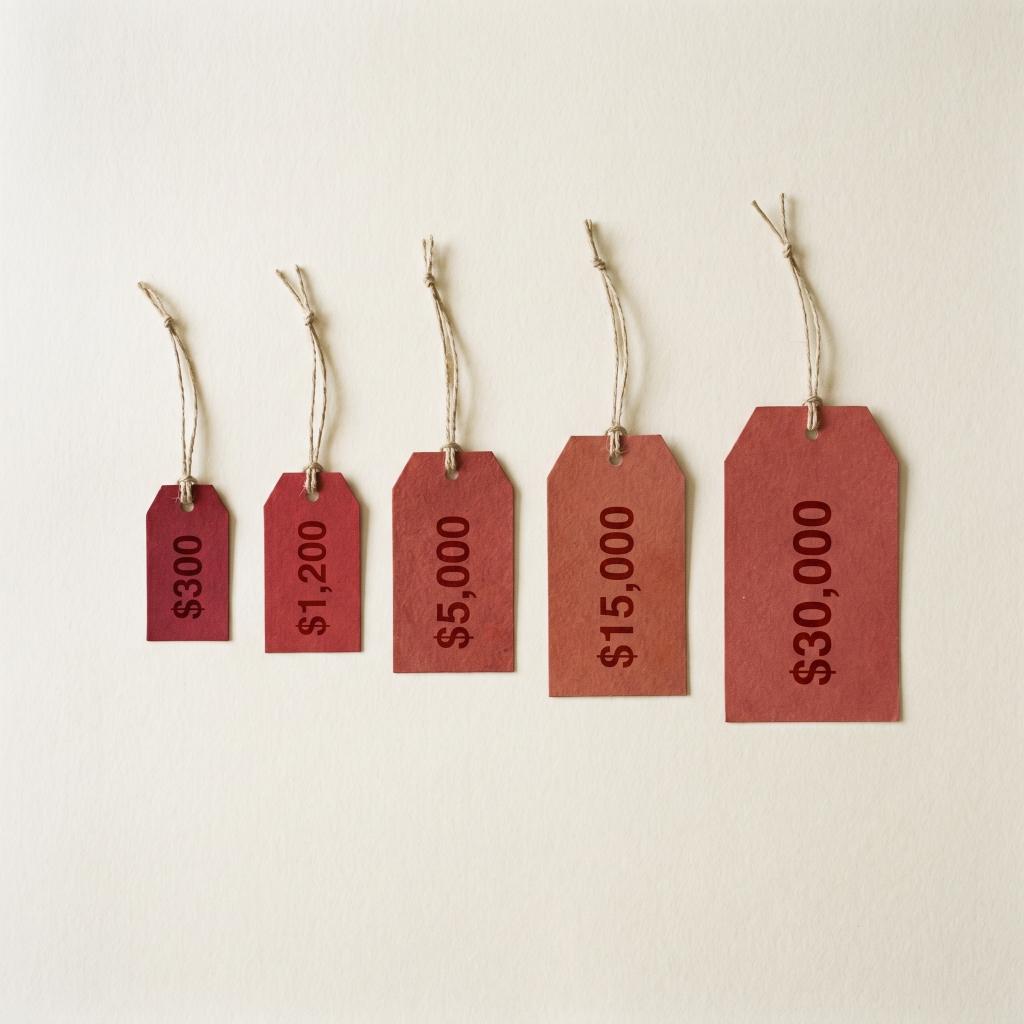
If you've spent the last week typing "how much does a book publicist cost" into Google and getting completely different answers — $300 here, $30,000 there — you're not alone. Book PR pricing is one of the most opaque categories in publishing, and the lack of transparency benefits the seller, not you.
This guide is the answer to the question every self-published author actually wants answered: what should I expect to pay, and what should I get for it?
We'll break down real numbers from real publicists, explain why the price ranges are so wide, and tell you which tier of service makes sense for your situation. We'll also flag the three red flags that mean you're about to be scammed.
The Honest Range: $300 to $30,000
Here's what book PR actually costs in 2026, by tier:
| Tier | Price | What You Get |
|---|---|---|
| Wire-service press release | $300–$2,000 | Your release blasted to PR Newswire / EIN / GlobeNewswire and auto-syndicated. Usually no real magazine pickup. |
| DIY media kit + strategy | $500–$1,500 | A one-time consult: someone helps you build a press kit, contact list, and pitch template. You do the outreach yourself. |
| Boutique book publicist (per project) | $4,000–$8,000 | A small firm or solo publicist runs a 4–8 week campaign, pitches journalists for you. No guarantees of pickup. |
| Mid-tier monthly retainer | $1,500–$5,000 / month | Ongoing relationship. They pitch your book continuously to outlets in their network. Most contracts are 3+ months. |
| Top-tier publicist (per project) | $10,000–$30,000 | Full 3-month campaign with a name-brand firm. National media goal. Still not guaranteed. |
| Guaranteed editorial placement (newer model) | $300–$15,000 | Pay-for-placement: you only buy what's contractually delivered. No "we'll try" language. |
The reason for the wide range: traditional book publicity is sold by the hour or month of effort, not by the result. You pay for someone to try. If they don't land a feature, you still owe them. This is the publishing industry's open secret — and it's why so many self-published authors come away from PR campaigns with nothing to show for $10K+ spent.
Why the Same "Service" Costs $300 or $30,000
The confusion isn't your fault — it's because three completely different products share the label "book PR":
1. Wire-service press release distribution ($300–$2,000)
You write a 400-word press release. The service blasts it to PR Newswire, EIN Presswire, GlobeNewswire, or their cheaper imitators. Those wires push the release to no-traffic syndication clones — Yahoo Finance shadow pages, Benzinga partner feeds, regional news aggregators that no human reads.
Reality check: Google flags wire-syndicated copy as duplicate content. Most placements are de-indexed within 90 days. You get a momentary uplift in "appears on 200+ news sites!" screenshots, then it vanishes.
When it's worth it: When you want a press release for SEO purposes (a few persistent backlinks) or to look professional on a media kit. Not for sales.
2. Hourly/retainer book publicist ($1,500–$30,000)
This is what people usually mean by "hiring a book publicist." You pay either a flat per-project fee or a monthly retainer. A real human pitches journalists, podcasts, magazine editors, book reviewers — using their existing contacts.
According to Smith Publicity, a realistic 3-month mid-tier campaign runs $10,500–$18,000. Page 1 Media reports monthly retainers from $500 on the low end up to $5,000+ for full-service.
Reality check: None of this is guaranteed. Your publicist may pitch 50 outlets and land zero placements. You still owe them the full fee. Industry-standard contracts protect the publicist, not the author. Authors who pay $15K and get a single local-paper mention are common.
When it's worth it: When you have a strong news hook, an existing platform (10K+ social followers, prior media coverage, a unique credential), or co-funding from a publisher. For first-time indie authors with a romance novel, the ROI is usually negative.
3. Guaranteed editorial placement ($300–$15,000)
A newer model, mostly from publishers with their own contractual access to specific outlets. You pay for a specific named placement — not for someone to try.
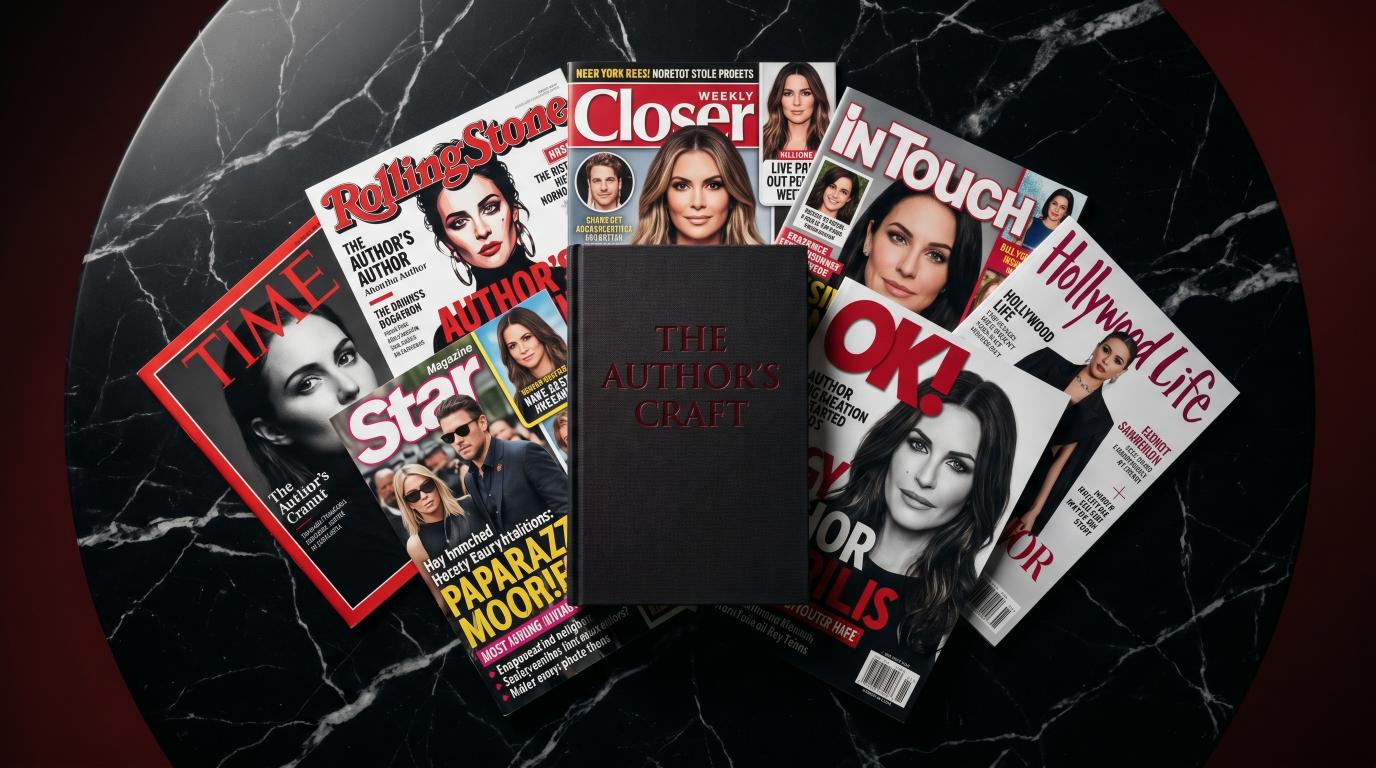
This is what VUGA Publishing does. Our packages list the exact magazines (Miami Herald, OK! Magazine, Hollywood Life — and TIME and Rolling Stone UK as add-ons) and the placement is contractually guaranteed. If we don't deliver, you don't pay — full money-back on any failed placement.
When it's worth it: When you want to know exactly what you're getting before you pay. The cost-per-placement is dramatically lower than retainer-based publicists because you're not paying for sales hours and uncertainty.
The "What's It Actually Worth" Calculation
The right way to evaluate book PR pricing isn't "what's the cheapest" — it's cost per guaranteed placement.
Compare two real options:
Option A — Mid-tier publicist retainer
- $5,000/month × 3 months = $15,000
- Outcome: maybe 2–4 placements, none guaranteed, mix of small podcasts and local papers
- Cost per placement: roughly $3,750–$7,500 if anything lands at all
Option B — Guaranteed placement publisher
- VUGA 10 + Celebrity Bundle package = $14,997
- Outcome: 5 guaranteed placements (Miami Herald + OK! Magazine + Hollywood Life) + 10 placements in the VUGA Enterprises 140-outlet digital network
- Cost per placement: about $1,000 — and every placement is contractually guaranteed
Same total spend, completely different math. The traditional retainer model only makes sense when you have a publicist with proven results in your specific niche and a clear track record of pickup.
Three Red Flags You're About to Be Scammed
Before you sign any PR contract, watch for these:
Red flag #1: Vague placement promises with no contract
If they say "we'll work hard to land features in major outlets" but won't put specific outlet names in the contract — walk away. Guarantees that aren't in writing aren't guarantees.
Red flag #2: Outlets you've never heard of, presented as major media
Some firms sell placements in fake outlets with names that mimic real magazines. "Vanity Fair Germany." "Forbes Books Affiliate." Real Vanity Fair has no German edition; that's a separate property someone built and sold. If you can't find the outlet listed on Wikipedia or with a real masthead, the placement is worthless — and probably non-existent.
Red flag #3: Pricing hidden behind a "consultation call"
Legit publishers and publicists publish their prices. Firms that hide pricing behind a sales call do it because the price is custom-set based on how much you'll pay — not because the service has a fixed cost. You'll always pay more than the next person who calls.
What Self-Published Authors Should Actually Spend
Based on what works for indie authors in 2026 — not what's profitable for publicists to sell — here's the realistic budget breakdown:
Under $1,000 — focus on cover, blurb, and metadata
If you have less than $1,000 to spend on marketing, don't spend it on PR. Spend it on:
- A professional cover redesign ($300–$600)
- A blurb-writing service ($150–$400)
- KDP keyword/category optimization ($100–$200)
A great cover and blurb sell more books than a mediocre press release distribution.
If you still want a sample of what real magazine placement looks like for under $100, VUGA's $300 trial places one editorial article on a real outlet — and the $300 credits toward any larger package within 30 days, so it's effectively free if you continue.
$1,000–$5,000 — go for guaranteed placements
In this range, traditional publicists won't run a real campaign for you (most won't even take you on). Pay-for-placement is your best ROI:
- VUGA 10 Network Articles (now $3,000): 10 digital network placements + permanent indexed URLs
- VUGA 10 + Miami Herald (now $7,500): adds Miami Herald — a major news outlet, full editorial articles
$5,000–$15,000 — guaranteed tier-1 reach
This is the sweet spot for self-published authors who want serious coverage:
- VUGA 10 + Celebrity Bundle ($14,997): four major celebrity titles guaranteed (Miami Herald + OK! + Hollywood Life)
- Or a competent boutique publicist for one focused 3-month campaign — but vet their results in your specific genre first
$15,000–$50,000 — premium tier
At this level you can either:
- Stack the VUGA Celebrity Bundle + premium magazine add-ons (TIME at $14,997 or Rolling Stone UK at $8,997, or both bundled at $19,997)
- Hire a top-tier publicist firm — but only if you have a strong hook (memoir with celebrity tie-in, debut novel with bidding-war pedigree, non-fiction with academic credentials)
The Question Nobody Wants to Answer
"Is book PR worth it for self-published authors?"
Honest answer: only when the placement is guaranteed and the cost-per-placement is reasonable. Speculative campaigns where you pay a publicist to try are a bad deal for indie authors who lack the platform to make their pitches stand out. Guaranteed editorial placements where you pay for what you get are a solid deal — and they didn't really exist in this category until the last few years.
If you're considering any PR service, ask one question before you pay: "What exactly is in the contract that's guaranteed, and what happens if it doesn't show up?" If they can't answer in plain English, the answer is: nothing is guaranteed. Don't buy.
Next Steps
If you want to see how guaranteed editorial placement actually works without committing $5K+, the $300 VUGA Trial places one editorial article on a real outlet so you can see the writing, the page, and the indexed URL before deciding. The $300 is credited toward any package upgrade within 30 days, so if you continue, the trial is free.
If you have a specific question about which package fits your situation, drop a note — answers come back within two business days, no sales call required.
Sources for this article:
- Smith Publicity, "What Can You Expect to Pay for Your Book Publicity Campaign"
- Page 1 Media, "What Does a Freelance Book Publicist Cost"
- Reedsy, "How Much Does It Cost to Self-Publish a Book in 2026"
- Kathleen Schmidt (former Penguin publicist), "How Much Does Publicity Cost"
- Kindlepreneur, "How Much Does It Cost to Publish a Book"