Thrillers live or die on the hook. Cozy mystery readers will give you a gentle book. Romance readers will follow a slow-burn. Thriller readers will close the sample at page two if the first line doesn't do something. Marketing a thriller well is mostly the discipline of repeatedly compressing your book down to a hook a stranger feels in their stomach in three seconds — and then putting that hook in front of the right people in the right order.
This is the indie thriller launch playbook for 2026 — covering hook construction, cover signal, comp-title strategy, the podcast and review-blogger circuit, and where editorial press fits a thriller funnel. We'll cover what to do when the launch lands flat too, because sometimes it does, and the response matters more than the original plan.
Hook First — Before the Cover, Before the Ads
Every other marketing decision flows from the hook. If yours isn't strong, no cover or ad spend rescues it. A working thriller hook does three things in 18 words or fewer:
- Drops the reader into a specific situation — not a character description, not a setting, a situation
- Implies a question they need answered — usually "what happened?" or "what's about to happen?"
- Hints at stakes that feel personal
Examples of the pattern (paraphrased from real bestsellers):
- "A woman watches the same couple from her commuter train. Then one day, the wife disappears."
- "A surgeon returns home to find his front door open and his wife gone — but his daughter says Mom never left."
- "Eight strangers wake up in a locked room. By morning, one of them is dead. None of them remember each other."
These aren't blurbs. They're the elevator-pitch hook that sits at the top of the blurb, the first line of every BookTok video, the subject line of every reader-magnet email, and the answer when someone at a party asks what your book is about. If you can't write yours in this form, the marketing problem isn't your cover — it's your positioning.
Test your hook against a stranger before you spend a dollar on covers or ads. If they don't ask a follow-up question, rewrite it.
Cover and Title Signals That Read As Thriller
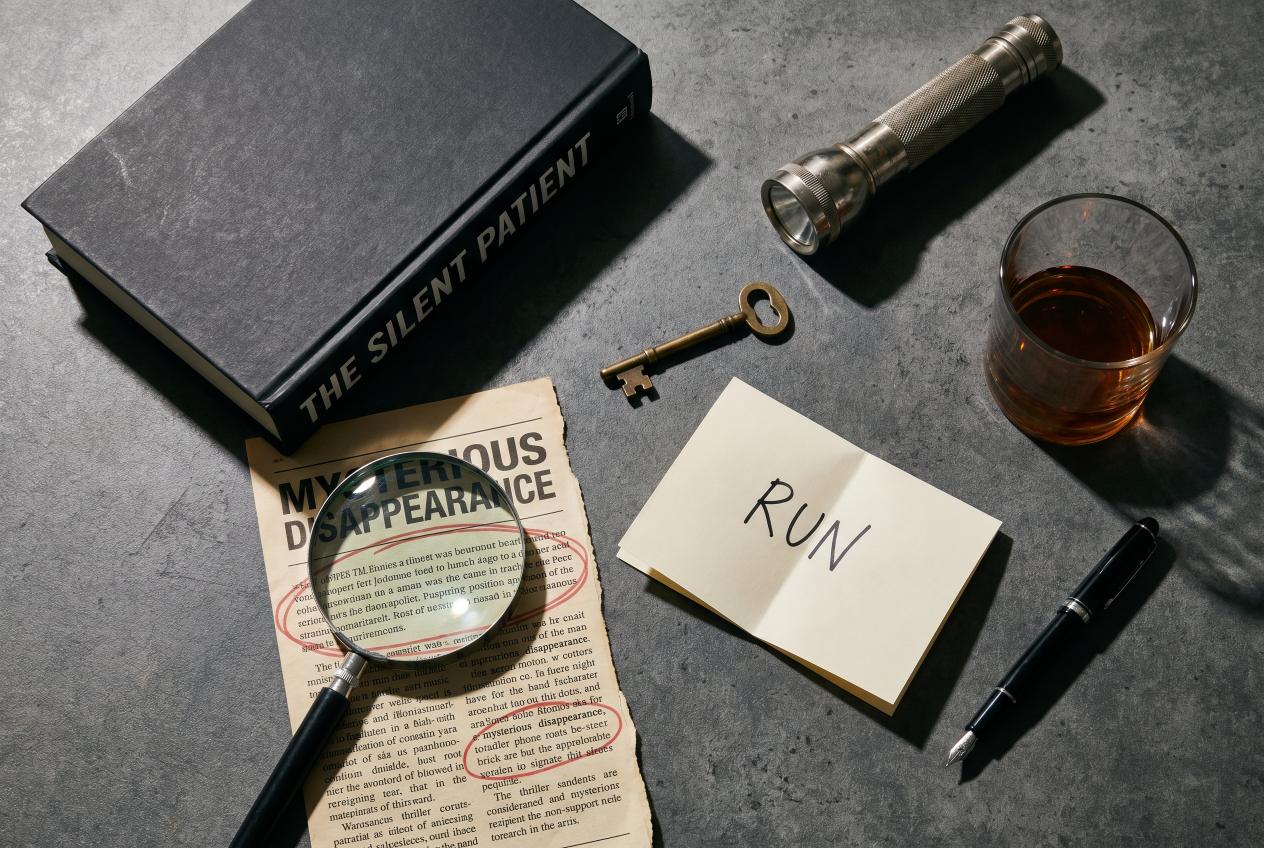
Thriller covers in 2026 share a tight visual vocabulary. Diverge from it at your peril.
The signals that work:
- High contrast — usually black-and-white or near-black with a single accent color (deep red, ice blue, or cold yellow)
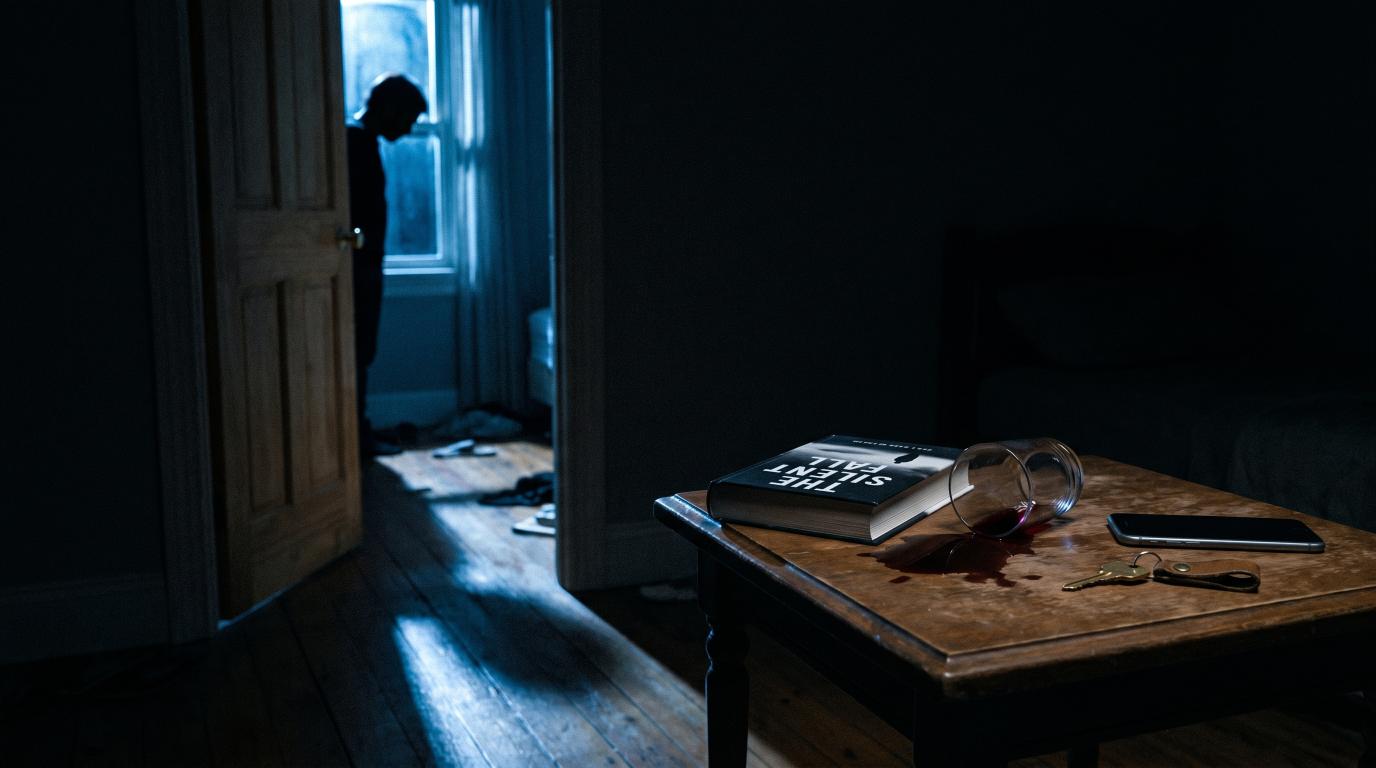
- Single dominant image that implies threat without showing it (a silhouette through frosted glass, a hand holding a key, a child's empty swing, an upturned chair)
- Title in oversized bold sans-serif, often white or red on black, often with the author name in the same color band but smaller
- Subtitle or tagline in italic — "He should've trusted her. Until he couldn't." — adds the second-line hook to the cover itself
- No people's faces unless the face is partially obscured (back of head, shadowed profile, blurred). Faces date the cover and limit reader projection.
The lazy mistake: using a stock-photo woman walking down a foggy street. Every thriller does this; yours will not stand out. Spend $500–$1,500 on a designer with a thriller-genre portfolio — Damonza, Books Covered, MiblArt, and the Reedsy marketplace all have specialists.
Title signals matter too. Strong thriller titles are short (1–4 words), declarative, and ominous. "The Silent Patient." "Behind Closed Doors." "Verity." "Where Are the Children." Long, soft, or wordy titles bleed thriller signal away.
Comp Titles — The Marketing Spine
Thrillers sell on comparison. Readers don't browse for "good books" — they browse for "the next [author]." Pick three comp titles before you do anything else:
- Comp 1 (similar but bigger) — a tier-1 bestseller in your subgenre. Used in your blurb tagline ("for fans of...")
- Comp 2 (your closest peer) — a recent indie or mid-list thriller with similar pacing and tone
- Comp 3 (cross-genre lift) — a genre-adjacent bestseller that signals one specific element (TV-series fans, true-crime readers, a specific theme)
Use comps in:
- Your Amazon blurb's first line ("Perfect for fans of [Comp 1] and [Comp 3]...")
- Your back-cover tagline
- Your Amazon Ads keyword targeting (Comp 1 author name, Comp 2 author name, both as exact-match)
- Your podcast pitches ("My book is being called the indie [Comp 1]")
- Your BookBub follower-targeting if you run BookBub Ads
Comps must be honest. Readers turn brutal on books that promise "next Gone Girl" and deliver a different genre. Aim for "in the family of" rather than "as good as."
Pre-Launch — 90 Days Out
Thrillers benefit from a longer pre-launch runway than romance or cozy because the press and podcast circuit operates on a 60–90-day booking lead time.
Day -90 to -60:
- Finalize cover, title, blurb, hook
- Pitch 30–50 thriller-genre podcasts ("Crime Time Podcast," "Thrills and Skills," "Suspense Magazine," "Murder, We Wrote") — see BookBaby's podcast tour guide for the mechanics
- Launch a NetGalley listing (~$450/6 months, or join a co-op for $50/month) and start collecting trade reviews
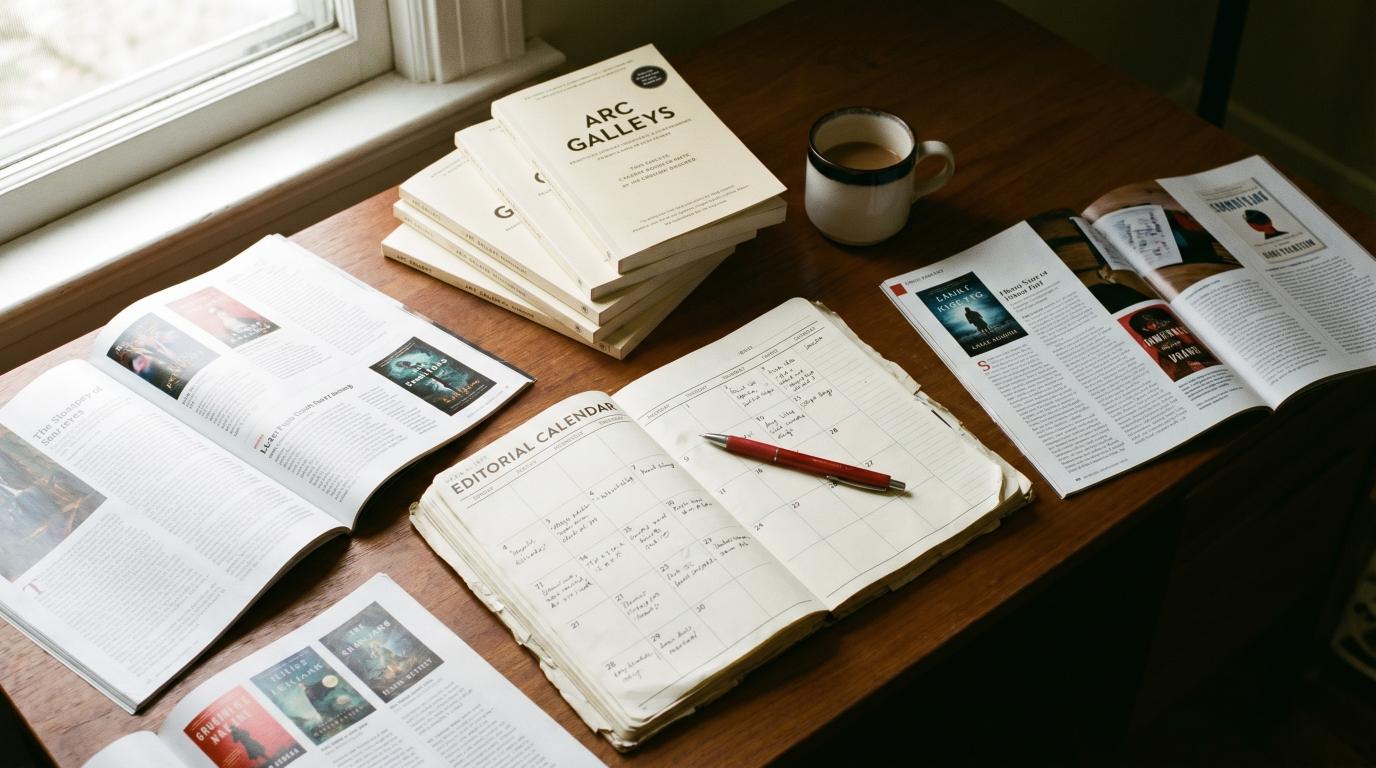
- Build an ARC team of 50–150 readers via Booksprout, BookSirens, your existing newsletter, and bookstagrammer outreach
Day -60 to -30:
- Pre-order live on Amazon
- First podcast recordings happen (they release in launch month)
- Newsletter swaps via StoryOrigin — 5–10 partners across thriller, mystery, and suspense
- ARC drops to readers; aim for 30+ Goodreads "want to read" by launch
- Submit to Library Journal, Booklist, and Kirkus Indie if budget allows ($425–$575 each — discretionary, helps for library buys)
Day -30 to 0:
- Pulse pre-order ads at $30–$50/day on comp-author keywords
- Final ARC reminder; aim for 25+ reviews live by day 5 of launch
- Newsletter "the wait is almost over" send
- BookTok / Bookstagram release-day content prepped and scheduled
A 90-day pre-launch runway feels long but the booking lead times for podcasts and reviews enforce it. Authors who try a 30-day thriller launch routinely arrive at release day with no podcast features and three Goodreads ratings.
Launch Week — The Acceleration Window
A realistic launch-week target for a polished debut indie thriller with the pre-launch above is 600–1,500 paid copies plus 300–800 KU borrows in the first seven days. Established indie thriller authors can hit 3,000+. Thrillers tend to peak slightly slower than romance — thriller readers often sample first and convert in days 3–7.
Day 1–3:
- Newsletter "it's here" send
- 3–5 podcast episodes go live (these were recorded weeks ago)
- Bookstagram release-day reels and posts
- Amazon Ads at $50–$100/day on comp-author exact-match
- Goodreads giveaway live (10–15 ebook copies, 14-day run)
Day 4–7:
- Bargain Booksy / Robin Reads / Fussy Librarian "new release" feature ($40–$200)
- BookBub follower-targeted ads at $10–$25/day
- Engage every Goodreads review under four stars; ignore the one-stars
- Apply for BookBub Featured Deal for week 4 at $0.99 (most debuts rejected first time, that's normal)
Day 8–14:
- Pulse Amazon Ads up to $150/day if ACOS is under 35% and ranking is climbing
- Rotate ad creative as reviews accumulate ("4.4 stars from 80 readers")
- Push for pre-orders on book 2 if it exists, or tease a release window
This sequence reliably places debut thrillers in the top 100 of their subgenre during week one. The trick is reading the data on day 4 — if KU borrows are climbing fast and ACOS is healthy, you press the gas. If both are flat, you slow ad spend, double-check the blurb against the hook, and consider whether the cover needs a refresh.
Where Thriller Readers Are Hiding
Thriller readers split across more channels than cozy or romance, and getting the channel mix right matters.
The honest map, ranked by ROI for indie authors:
- Kindle Unlimited browse + recommendations — half of indie thriller discovery, especially for psychological thriller
- Amazon Ads on comp-author keywords — the highest ROAS channel for tightly-positioned thrillers
- BookBub follower lists and Featured Deals — thriller readers follow BookBub recommendations more than any other genre
- Goodreads — large active mystery/thriller groups, listopia placement matters
- Podcasts in the true-crime + thriller orbit — moderate volume but very high-conversion listeners
- Bookstagram — slow but real, particularly for psychological and domestic thrillers
- BookTok — growing in 2024–2026 but still secondary for thriller compared to romance
What's not in the top tier and shouldn't be your priority: TikTok-only strategies, Twitter/X, paid Instagram with no organic base, broad Reddit posting. Those can work if you're already there, but they shouldn't be the spine.
Your podcast tour is likely your highest-leverage hour-for-hour press channel. A 45-minute interview that gets 5,000 downloads on a thriller-genre show converts at a meaningfully higher rate than the same effort on social. See HARO and Connectively for authors for how to layer free press on top.
The Editorial Press Layer for Thrillers

Thriller authors are usually skeptical of press. Wire releases don't sell thrillers — that part of the skepticism is correct. But full editorial features in publications thriller readers consume are a different product.
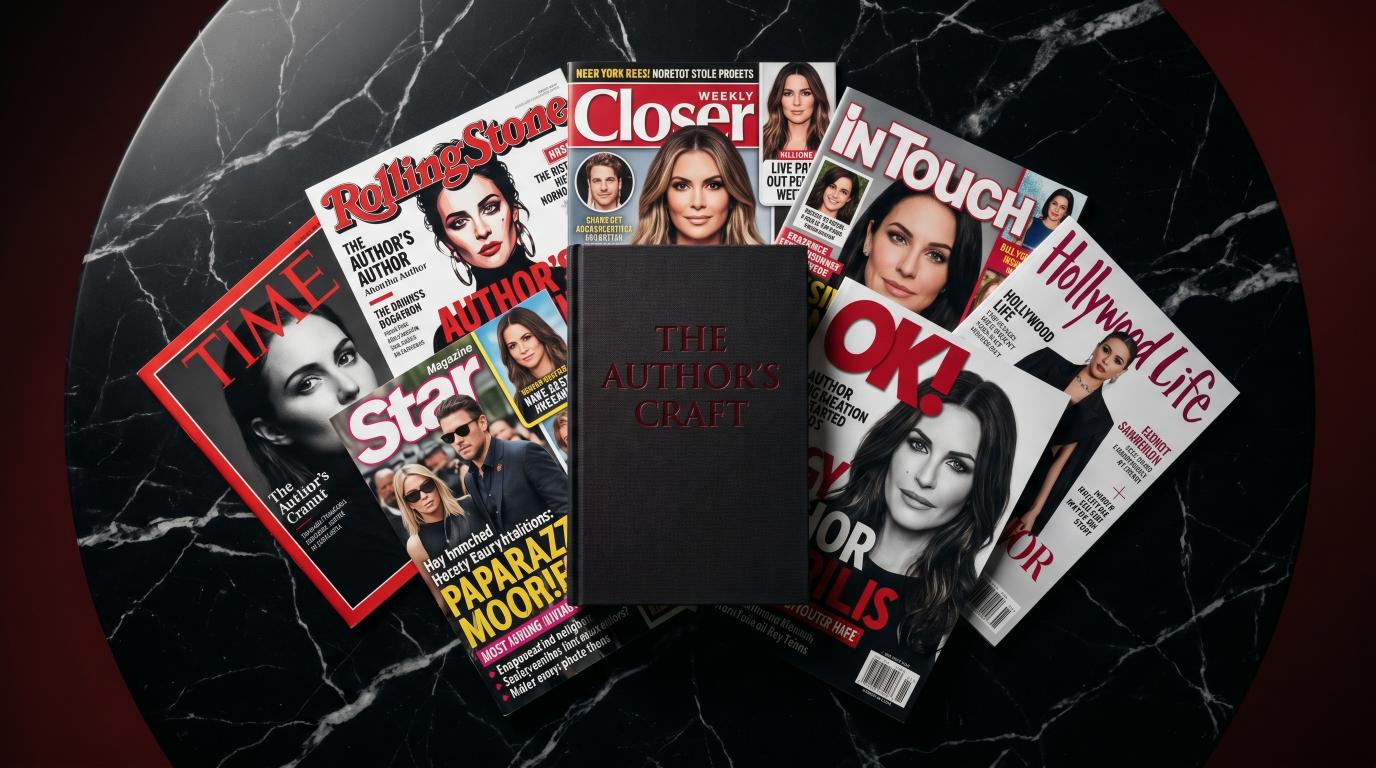
Thriller demographic overlaps significantly with readers of TIME, Miami Herald, Hollywood Life, and the lifestyle-news mix that surrounds true-crime coverage. A full editorial article — cover image, author photo, a real interview about the book and the obsessions behind it — placed on one of those outlets functions as a discovery layer for readers who don't browse Amazon's thriller shelf.
Thriller press hooks that work:
- "The author who [unusual day job — surgeon, defense attorney, FBI background] turned [topic] into a bestselling thriller"
- "Why [subgenre — psychological, domestic, legal] is dominating reader charts in 2026"
- "Inside the real case that inspired [book title]"
- "The TikTok algorithm made this thriller a hit. Now the author is teaching others how she did it."
Editorial features outperform press releases on thriller conversion by significant margins because the magazine reader is already in a "book-curious" frame of mind. They're also evergreen: the article keeps driving traffic for months, sometimes years, after publication. See book PR cost in 2026 for how guaranteed editorial pricing compares to traditional retainer publicists who'll pitch but not promise.
When the Launch Lands Flat — The Recovery Sequence
Sometimes a launch underperforms despite a clean pre-launch. Don't abandon the book — diagnose, fix, and re-launch in 60–90 days.
The recovery checklist:
- Cover audit — show the thumbnail to 10 strangers; ask "what genre is this." If under 7 say thriller, change it.
- Blurb audit — first 25 words must contain the hook. If they don't, rewrite.
- Pricing test — drop to $0.99 for a week with a Bargain Booksy + BookBub Featured Deal stack
- Sample test — ask 5 random readers to read your sample and tell you when they wanted to stop. The page they stopped on is your problem page.
- Press injection — a single editorial feature in a real magazine can re-light Amazon's algorithm and push the book back into recommendations
A re-launch is not a defeat. It's the genre's standard repair sequence. Some of the biggest indie thriller hits started with a flat first month and a strong second one.
What VUGA does for thriller authors
VUGA is a marketing-first publisher with contractual editorial access to TIME, Rolling Stone UK, Miami Herald, OK!, Hollywood Life, plus a 140-outlet digital network and 1,400 partnered newspapers. We don't take royalties or run wire-service press releases. We place full editorial articles by contract, with money-back guarantees on any failed placement. For a thriller author with a clean cover, sharp hook, and active KU strategy, layering editorial press onto your existing launch — or onto a re-launch of book one when you're releasing book two — is what compounds. Our for-authors packages start at a $300 network article and run through $19,997 for the TIME + Rolling Stone UK bundle. Tier-1 placement at less than the cost of three months with a boutique publicist who only promises to try.
A Realistic 12-Month Thriller Plan
If you're starting from "manuscript drafted, no platform yet," here's what 12 disciplined months looks like:
- Month 1: Lock in hook, cover, comps. Start newsletter. Pitch first 30 podcasts.
- Month 2: ARC team built (target 80–120). Pre-order live. NetGalley listing live.
- Month 3: Launch book 1. Hit 1,000–1,500 copies in first 14 days. 3–5 podcast episodes air.
- Months 4–6: Sustaining ads. Drafting book 2. First magazine feature placed if possible.
- Month 7: Book 2 pre-order live. Re-pulse book 1 ads with reviews-based creative.
- Month 9: Book 2 launches. Series page live on Amazon. Read-through tracked (target 40–60%).
- Month 10: BookBub Featured Deal applied for and (eventually) earned.
- Month 12: Two-book backlist live, $1,500–$5,000/month earnings, podcast tour résumé built, one or two real magazine features driving long-tail traffic.
This is the realistic version. Thriller indie careers compound slower than romance because the cadence is slower (most thriller authors release 1–2 books per year, not 4–6) — but each book has a longer commercial half-life. A well-positioned thriller can keep selling steadily for five years; a romance often peaks in year one.
If you want a specific look at your hook, cover, and launch sequence, drop a note. The first read-through is free and faster than guessing what's missing.
Sources for this article:
- Kindlepreneur, "How to Market a Thriller"
- Reedsy, "Thriller Cover Design"
- BookBub Partners, "Thriller Reader Trends"
- BookBaby, "Author Podcast Tour Guide"
- NetGalley, "NetGalley for Indie Authors"
- Jane Friedman, "Comp Titles for Fiction"
- Publishers Weekly, "Indie Thriller Sales Data"